
Community spaces are the heart of local life, bringing people together and fostering a sense of belonging. Scout halls are particularly vital, serving as hubs for young people to learn new skills, build friendships, and explore their potential. When demand outgrows the capacity of these halls, a thoughtful architectural intervention can make all the difference.
I had the privilege of working on an exciting project: adding a second floor to a Scout Hall nestled at the back of Dar-ul-Isra Mosque in Cardiff for 1st Cathays Scout Group. Here’s how we approached this transformative venture.

Image: The new second floor Scout hall taking shape
The Challenge: Growing with the Community
Scout groups have long been a cornerstone of their communities, and this hall was no exception. Built decades ago, the existing structure was robust but no longer sufficient to meet the growing needs of its members. With increasing youth membership, a demand for more program space, and an evolving role as a community hub, the hall needed an upgrade.
Adding a second floor has offered the perfect solution. However, this approach posed unique challenges:
- Structural Integrity: The existing building needed reinforcement to support the additional load.
- Tight Urban Site: The design had certain planning constraints with the need respect to privacy and sight lines of neighbouring properties.
- Limited Budget: The scheme had a modest budget which dictated the choice of materials and finishes as well as construction methods to ensure the project could be built in a cost effective manner.
- Minimizing Disruption: The community facilities and place of worship directly opposite the remained a key community space throughout construction, so we planned to minimise downtime.
The Design Solution: Functional, Flexible, and Future-Ready
Working closely with the Scout group, we developed a design that would enhance their activities while respecting the hall’s history and setting.

Image: The Group Scout Leader and Group Chair were instrumental in driving the project forward
1. Structural Upgrades: Our first task was ensuring the foundation and walls could support a second floor. This involved:
- Reinforcing load-bearing walls and foundations with steel supports.
- Incorporating lightweight but durable materials for the upper level to reduce stress on the existing structure.
2. New Floor Layout: The second floor provided much-needed space, including:
- A large, multi-purpose activity room adaptable for training, crafts, and meetings.
- Smaller breakout rooms for focused activities or leader planning.
3. Sustainability: In true Scouting spirit, sustainability was woven into every aspect of the project:
- Insulated walls and roof to improve energy efficiency.
- New energy efficient heating system.
- The community kindly donated time, skills and labour to help complete the project.
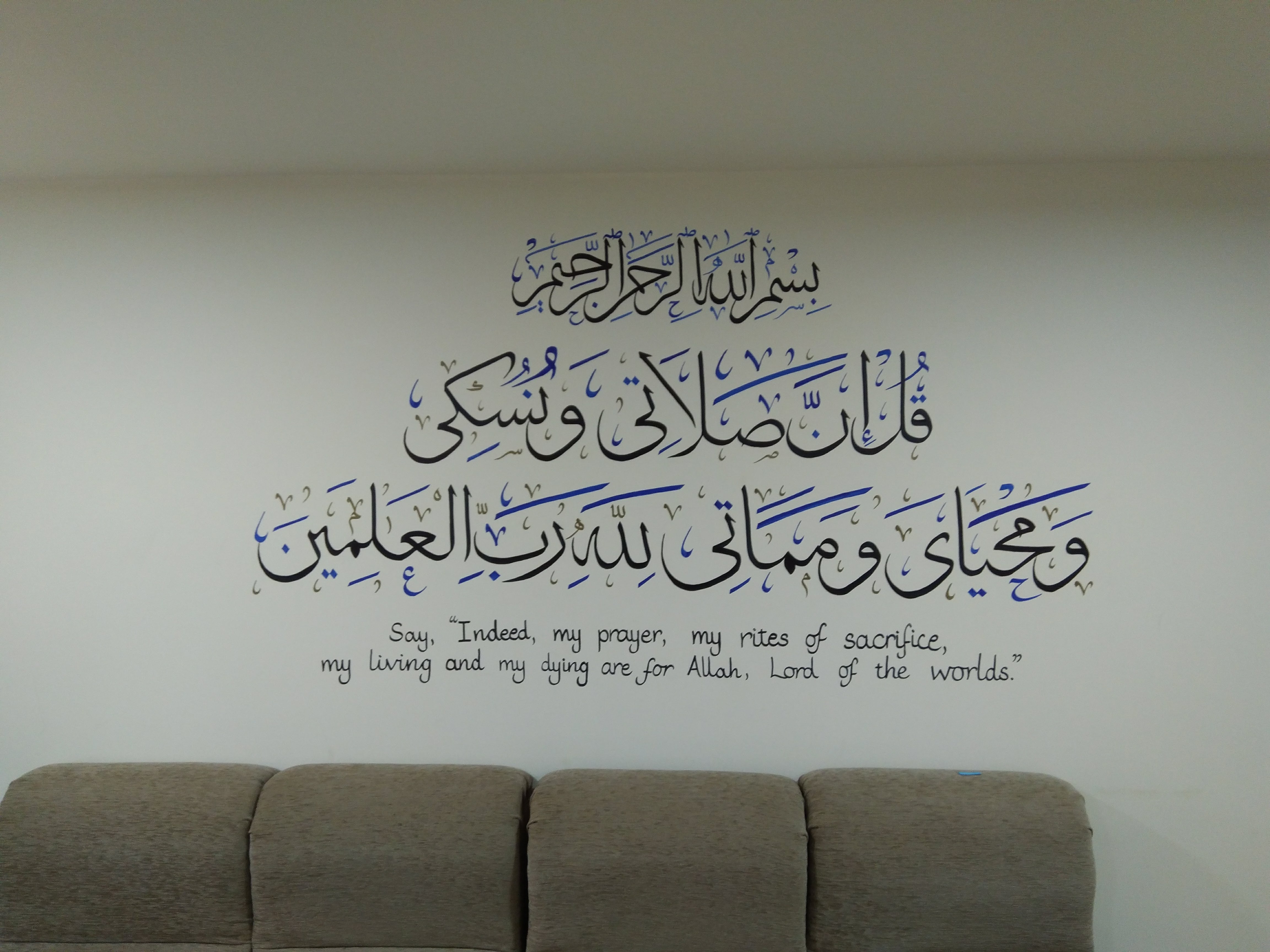


Images: Wall art added by Scout members in the finished hall space
The Impact
The expanded Scout hall has already transformed the group’s activities. Leaders now have dedicated spaces to plan and train, while young people enjoy room to explore new skills and activities. The upgraded facility also serves as a venue for community events, strengthening ties beyond the Scout group.
Moreover, the project serves as a model for balancing heritage, functionality, and sustainability in community architecture.
Conclusion
Adding a second floor to a Scout hall is more than just construction; it’s an investment in the future of a community. For architects, it’s a chance to create spaces that inspire and endure.
If you’re considering an expansion or upgrade to your community building, we’d be delighted to help you design a space that supports your vision while respecting the environment. Let’s create something extraordinary together!
 TOUSEER AHMAD
You must be logged in to post a comment.