
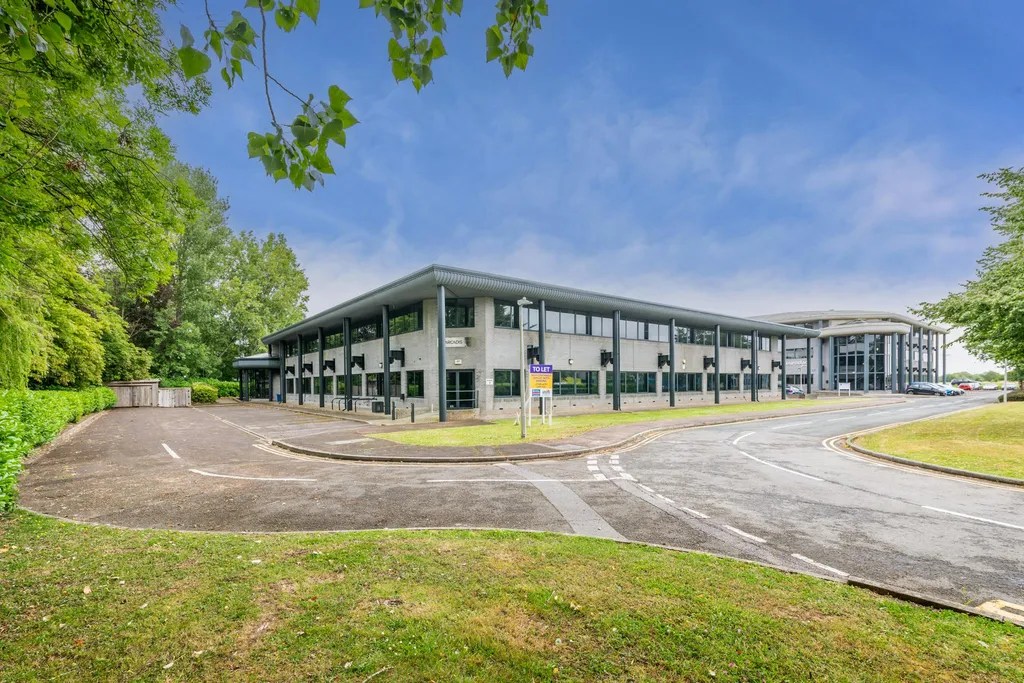
The recent planning approval for the transformation of a vacant 22,500 sq ft headquarters building in St Mellons Business Park as the National Islamic Centre of Wales marks a significant moment for adaptive reuse in the UK’s community‑led built environment sector. The project demonstrates how under‑utilised commercial stock can be reimagined as high‑value social infrastructure through minimal‑intervention design and strategic reprogramming. The project secured planning permission for change of use from B1 to D1 without requiring any external alterations, positioning it as a model for low‑carbon, high‑impact transformation.
Repositioning a Redundant Typology
The building, vacated in 2023, typifies the challenges facing post‑Covid office stock: oversized floorplates, out‑of‑town location, and diminishing commercial demand. Market evidence confirmed the absence of viable B1 occupiers despite extensive marketing, underscoring the need for a new purpose.
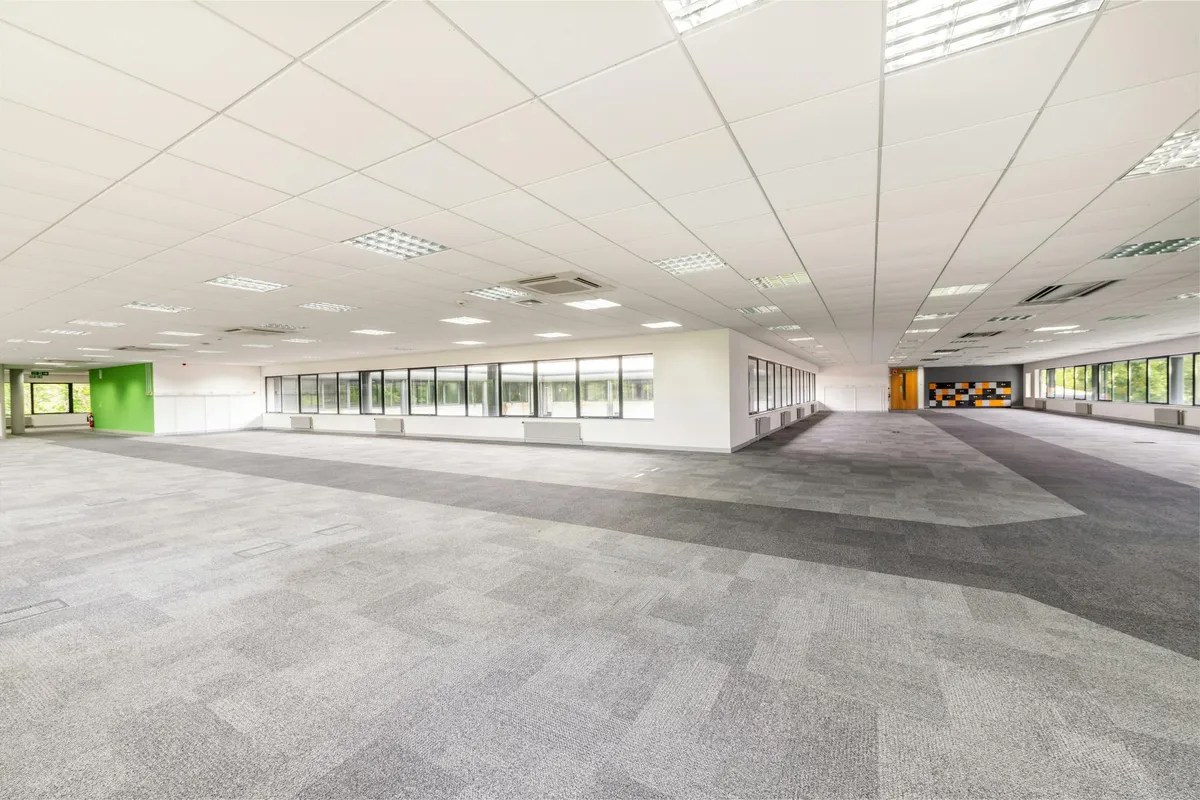
The project team recognised the latent potential of the structure—its open‑plan floors, central courtyard, generous parking, and DDA‑compliant access—and repositioned it as a piece of social infrastructure capable of serving the community across Wales. This strategic reframing aligns with national planning policy encouraging the sustainable reuse of vacant buildings and diversification of employment areas.
A Multi‑Layered Programme
The design teams architectural response focuses on intelligent reprogramming rather than physical expansion. Through non‑structural internal reconfiguration, the building will accommodate a rich and complex mix of uses:
- Education suites for Qur’an, Arabic, and Islamic studies
- Contemplative prayer space
- Multipurpose halls for youth, sports, and community events
- A wellness centre with gender‑specific gym facilities
- A café, restaurant, and social spaces
- Enterprise and co‑working areas for Muslim organisations
- Welfare, counselling, and foodbank provision
This layered programme transforms a single‑use corporate building into a national hub for learning, wellbeing, and community cohesion. The Dar Ul Salam vision—“a unifying national hub for Muslims across Wales”—is realised through spatial strategies that prioritise inclusivity, flexibility, and long‑term adaptability.
Architectural motion animation credit: @RuslanFilms
Sustainability Through Retention and Restraint
The project’s sustainability credentials are rooted in the decision to retain the building’s structure, envelope, and servicing. This approach:
- Avoids the embodied carbon associated with demolition and new construction
- Preserves existing drainage, access, and circulation systems
- Minimises waste and construction impact
- Extends the life of a modern building that would otherwise remain underused
By working with the existing fabric, meaningful transformation can be achieved with minimal intervention—an increasingly critical principle in contemporary sustainable architecture.
Architecture as Social Infrastructure
Dar Ul Salam is conceived as a civic catalyst. Its programme supports health, education, youth development, interfaith engagement, and welfare services, addressing evidenced social needs within Cardiff and the wider region. The project strengthens community resilience, fosters intercultural understanding, and provides a safe, inclusive environment for people of all ages.
By embedding these uses within a repurposed office building, the project illustrates how adaptive reuse can deliver not only environmental benefits but also deep social value, particularly in areas where community infrastructure is limited. The transformation exemplifies the expanding the role of architecture in shaping equitable, cohesive communities.
A Replicable Model for Community‑Led Regeneration
This project offers a blueprint for repurposing redundant commercial buildings into vibrant community assets. It demonstrates how architects can leverage existing structures, navigate complex programme requirements, and deliver sustainable, socially driven outcomes within tight economic constraints. As the project moves into the delivery phase, it offers a valuable precedent for practitioners exploring adaptive reuse as a pathway to sustainable, community‑centred design. A building once defined by corporate function now reimagined as a national centre for learning, wellbeing, and belonging.
How You Can Help
The project team are now calling on the community to support this project through sadaqah jariyah — an ongoing charity with continuous reward.
Donation link: https://www.darulsalam.org.uk/donate
 TOUSEER AHMAD
You must be logged in to post a comment.